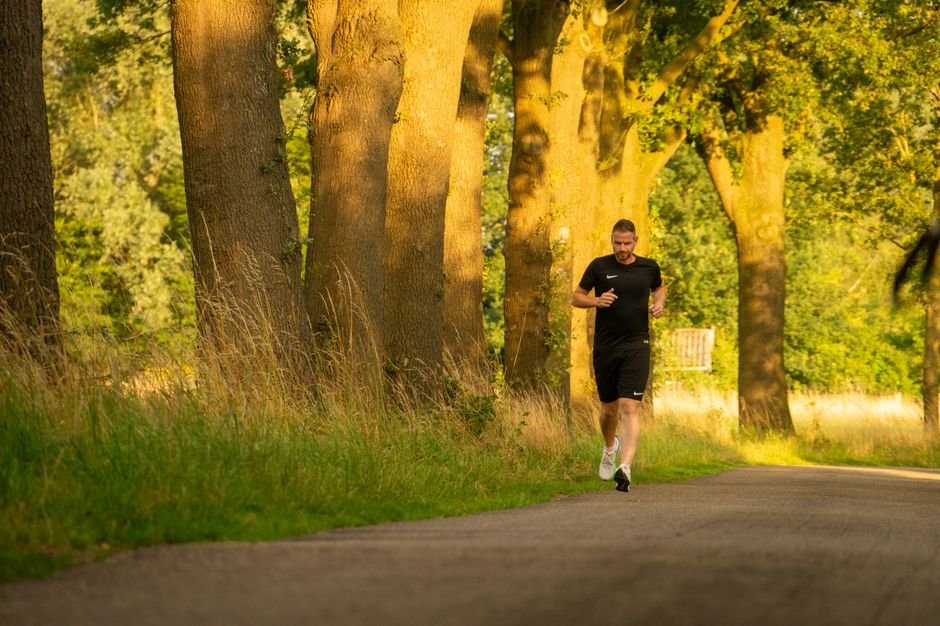
The first time I tried to run for twenty minutes straight, I made it about six before I had to stop and walk, hands on my knees, genuinely surprised at how hard it felt. I remember thinking there must be something wrong with how I was doing it, because in my head running was just running, a thing bodies were supposed to be able to do without much fuss. Nine years later, looking back at that first month, I don’t think anything was wrong with me at all. I just had no idea what I was actually starting.
The version of me who signed up
I didn’t start running because of some big decision or a turning point I can point to with any drama. I started because a coworker mentioned she’d been running around a park near her place and made it sound almost pleasant, and I had a vague, unexamined sense that I should probably be doing some kind of exercise. That was the whole motivation. There was no plan, no research, no idea of what a reasonable first month should look like. I just put on whatever shoes I owned and went outside.
What the actual runs looked like
My first month was mostly walking with short bursts of running mixed in, though at the time I would have described almost all of it as running, because that’s how it felt from the inside. I’d go out three or four times a week, cover some short distance near my apartment, and come back either disappointed that it had felt so hard or quietly pleased that I’d made it slightly further than the time before. There was no consistency to the pattern. Some days felt fine. Other days I was gasping within a few minutes and couldn’t understand why, since I’d felt strong just two days earlier.
The parts nobody tells you about
What surprised me most that first month wasn’t the physical difficulty, though that was real. It was how much mental negotiation was involved in every single outing. I’d talk myself into going, then spend the first several minutes of every run negotiating with myself about whether I could stop yet, whether this counted as trying hard enough, whether I was doing it right at all. I assumed that internal argument would go away once I got in better shape. It didn’t go away for a long time, honestly, and even now, nine years in, some version of that negotiation still shows up on the hard days.
The mistake I made early on
I pushed too hard too often that first month, in a way I can see clearly now but had no framework for recognizing at the time. I didn’t understand that soreness compounding on top of soreness was a problem rather than just a sign of effort, so I kept going out even on days my legs were clearly still recovering from the run before. By the end of that first month I was more worn down than fit, and I remember a stretch of about a week where I didn’t run at all, not because I planned a rest, but because my body basically forced the issue by refusing to cooperate.
What actually kept me going
If I’m honest, nothing about that first month felt like the start of something I’d still be doing nine years later. I didn’t love it. I wasn’t chasing any particular goal. What kept me showing up, as best I can reconstruct it now, was mostly a kind of stubbornness about not wanting to quit something I’d only just started, combined with small moments where a run felt slightly easier than the one before it. Those moments were rare that first month, but they were enough to keep me coming back one more time.
Looking back at that version of me
I feel a certain fondness for that first month now, even though very little about it was enjoyable in the moment. I had no idea what I was building toward, no sense that this would still be part of my life nearly a decade later, through an injury that took a full year away from me and years of long runs I couldn’t have imagined doing back then. The person walking and jogging around her block that first month had no plan and no real skill. She just kept showing up, badly, over and over, and that turned out to matter more than I understood at the time.
The habit I didn’t know I was forming
I didn’t understand, during that first month, that I was building something more durable than fitness. I thought I was just trying an activity out, seeing if it would stick the way other attempts at exercise hadn’t. What I was actually doing, without meaning to, was forming a habit of showing up even when the outing itself felt discouraging, which turned out to matter far more over the following years than anything about my pace or distance that first month.
What surprises me most looking back
The thing that surprises me most, rereading old notes from that period, is how little of what I worried about back then turned out to matter. I fretted over whether I looked ridiculous jogging past neighbors, whether I was breathing correctly, whether six minutes of actual running counted as a real workout at all. None of that shaped what came later. What shaped it was simpler and less interesting than any of my worries: I kept going back out, week after week, even when I had no evidence yet that it was worth it.