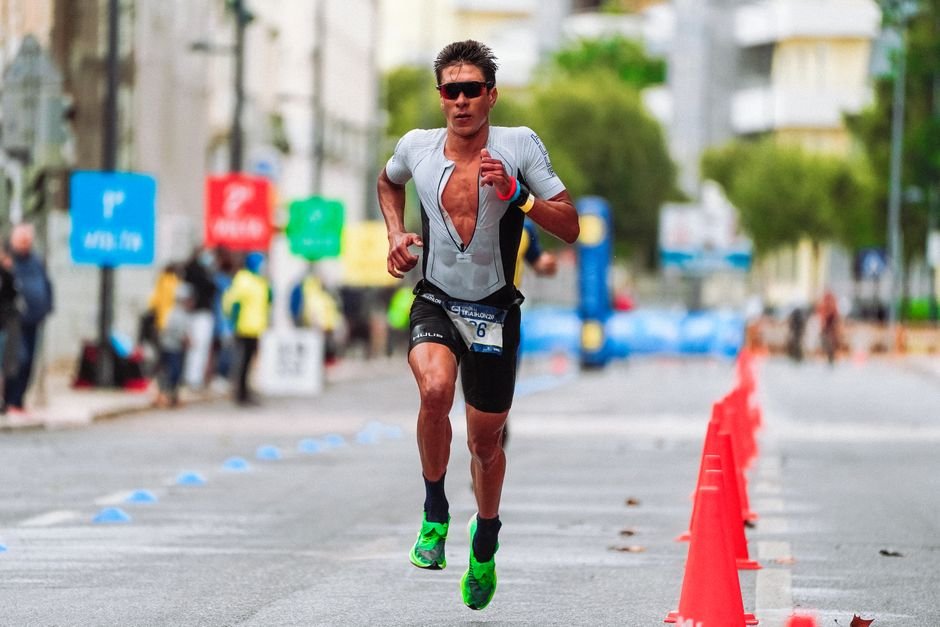
There is a bend in the road about two miles into my regular loop where I always check in with how I am feeling. Not because I planned it that way, but because nine years of running the same stretch has trained my body to ask the question right there, every time, without me deciding to. Last week I hit that bend and realized I was moving slower than I would have moved nine years ago on that exact patch of pavement, and instead of feeling bad about it, I just felt curious. When did that happen. I could not point to a single day.
The Pace I Started With
When I first started running, my easy pace was not really a choice, it was just whatever my body could manage without stopping to walk. I did not have a sense of what comfortable was supposed to feel like yet, so I ran everything close to as hard as I could hold it, because slowing down felt like admitting I could not do this. Looking back, that was backwards. I was treating every run like a test I might fail, instead of something I was allowed to just do. Clubmates would tell me, gently, that I did not need to run every mile like it mattered, and at the time I did not really believe them. It took a while to understand that pace was something I could choose on purpose, not just something that happened to me depending on how hard I gritted my teeth that day.
The Year Everything Reset
About four years in, I went through a stretch where I could not run at all for a full year because of an injury that took a long time to heal properly. I am not going to dwell on that here, but it matters for this story because when I came back, my sense of pace was essentially gone. The rhythm I had built over years disappeared in the months I spent not running, and I had to relearn what comfortable felt like almost from nothing. That was humbling in a way I was not prepared for. There were plenty of days early back into running when I expected some rough approximation of my old rhythm and instead found myself out of breath at a pace that would have felt like a warm up before. I did not handle that gracefully at first. I got frustrated with my own body in a way that, looking back, was not fair to what it had actually been through.
What Slower Actually Felt Like
Coming back after that year off, my easy pace was noticeably slower than it had been before, and for a long time I fought that instead of accepting it. I would go out planning to run at what used to feel easy, and my body would protest almost immediately, breathing hard, legs heavy, and I would either push through it and feel wrecked for days, or stop early and feel like I had failed again. It took longer than I want to admit to understand that slower was not a step backward, it was just where I actually was. Somewhere in that stretch a clubmate pointed out that I was comparing my comeback to a version of myself that technically did not exist anymore, since so much time had passed. That reframing helped more than any specific strategy did. I stopped measuring the comeback against the past and started just measuring it against the previous week.
Comparing Seasons Instead of Days
One thing that has genuinely helped is comparing how I feel across whole seasons instead of comparing one run to the last one. If I only look at yesterday against today, everything looks noisy and inconsistent, sometimes better, sometimes worse, and none of it means much. But if I think about how a given stretch of months generally felt compared to a stretch a year or two earlier, a clearer pattern shows up. My easy pace has drifted around over the years, sometimes getting quicker for a while, sometimes settling into something slower, and most of that drift has nothing to do with effort or discipline. I also started paying less attention to any single run and more to the general shape of a training block, three or four months at a time. Some seasons my pace drifted quicker without me trying to make that happen. Other seasons it settled into something slower even though I felt like I was working just as hard. Neither direction ended up meaning what I initially assumed it meant.
Where My Pace Sits Now
These days my easy pace is, if I am honest, a fair bit slower than I expected it would be at this point, nine years in. There was a version of me early on who assumed that more years running automatically meant more speed, and that turned out to be a pretty naive way to think about it. Sleep, stress, the normal wear of getting older, all of it plays into how a given week of running feels, and speed is just one output of a lot of inputs I do not fully control. I still have days that feel quick and easy, and days where the same route feels like wading through something heavy, and I have mostly stopped trying to explain why. A few clubmates who started running around the same time I did are noticeably quicker now, and for a long time that comparison bothered me more than I wanted to admit. It does not sting the way it used to. Their pace was never actually a measurement of mine, even though it took years for that to feel true instead of just being a sentence I repeated to myself.
What I Have Stopped Expecting
What changed most is not really my pace, it is what I expect from it. I used to think there was a version of my easy pace that was the real one, the correct one, and that anything slower than that meant something was wrong with my training or my body. I do not believe that anymore. My easy pace has been a moving target for nine years, shaped by an injury I did not see coming and by a hundred smaller things I never tracked, and at some point I stopped needing it to be a fixed number I could measure myself against. It still surprises me some days, in both directions, and I have decided that is just part of what running for this long actually looks like.